Why Asphalt Fails Prematurely and How to Prevent It

Why Asphalt Fails Prematurely and How to Prevent It
Not all asphalt is created equal. A properly installed and well-maintained driveway or parking lot can last for decades, while another may begin cracking, sinking, or developing potholes much sooner than expected.
At The Road Doctor, one of the biggest misconceptions we hear is that the asphalt itself has failed. In reality, the surface is often just showing the symptoms of a much larger problem underneath.
Understanding why asphalt fails prematurely can help property owners make better maintenance decisions, avoid costly repairs, and protect their investment for years to come.
The Biggest Misconception About Asphalt
Most people look at asphalt as a solid surface, similar to concrete. The truth is, asphalt is a flexible pavement system.
Think of it this way: the asphalt is the skin, while the stone base and soil underneath are the backbone. If the foundation shifts, becomes saturated with water, or was never built correctly, the asphalt above it has no choice but to crack, rut, or sink.
That is why simply covering damaged pavement with a new layer of asphalt or applying sealcoating over structural damage rarely solves the real problem. In some cases, professional asphalt paving is the best long-term solution when the existing pavement has reached the end of its service life.
Water Is Asphalt's Biggest Enemy
If there is one thing that causes more asphalt failures than anything else, it is water.
When rain or melting snow cannot drain away properly, it begins working its way through small cracks and into the stone base below. Once that foundation becomes saturated, it loses strength and can no longer support the pavement above it.
Here in Central Illinois, freeze-thaw cycles make the problem even worse.
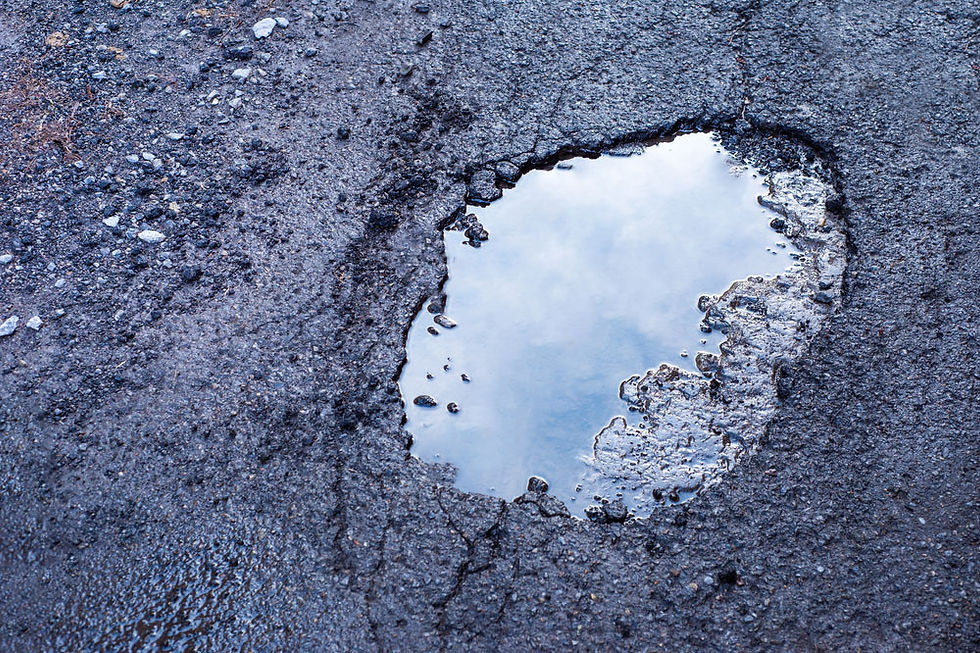
Water trapped beneath the surface freezes, expands, and creates pressure throughout the pavement structure. When temperatures rise, the weakened foundation begins to settle, leading to cracks, potholes, and uneven pavement. Addressing these issues early with professional asphalt repair can help prevent more extensive damage and extend the life of your pavement.
Poor drainage can eventually lead to:
Potholes
Cracking
Base erosion
Sunken areas
Premature asphalt replacement
A Strong Foundation Matters More Than a Thick Surface
Many property owners focus on the thickness of the asphalt, but the foundation underneath is just as important.
A properly compacted stone base distributes vehicle weight across the ground. If that base is too thin, poorly compacted, or constantly exposed to moisture, the pavement above it will begin showing signs of failure.
This is especially important throughout Central Illinois, where clay-heavy soils naturally expand when wet and shrink as they dry. Add heavy farming equipment, delivery trucks, or commercial vehicle use, and that stress increases even more.
Good asphalt starts below the surface.
Your Pavement Is Telling You a Story
The condition of your pavement can reveal a lot about what is happening underneath.
Straight Cracks
Long, straight cracks are often caused by seasonal temperature changes. While they may seem minor, they should be sealed before water reaches the foundation.
Alligator Cracking
A web-like pattern of interconnected cracks is usually a sign of structural failure. In many cases, the stone base or soil beneath the asphalt has weakened and can no longer support vehicle weight.
Tire Ruts and Sunken Areas
Deep ruts or isolated low spots often indicate a weak foundation, poor compaction, or pavement that was never designed for the amount of weight it now carries.
Gray, Rough Asphalt
As asphalt ages, sunlight and oxidation gradually dry out the oils that help keep it flexible. The surface turns from black to gray and becomes more brittle, making it easier for cracks to form.
Why Some Asphalt Jobs Fail Too Soon
Not every asphalt failure is caused by age. In many cases, the problems began the day the pavement was installed.
Some of the most common causes include:
A stone base that is too thin
Poor compaction during construction
Inadequate drainage
Asphalt that is not thick enough for the expected vehicle load
Ignoring unstable soils before paving
These shortcuts may not be obvious when the project is finished, but after a few Illinois seasons, they often begin to show. Choosing quality workmanship from the start helps reduce expensive repairs later.
How to Help Your Asphalt Last Longer
While no pavement lasts forever, routine maintenance can significantly extend its lifespan.
A few simple steps can make a big difference:
Keep water draining away from the pavement.
Seal cracks before moisture reaches the foundation.
Repair potholes before they continue to spread.
Follow a regular sealcoating schedule.
Address drainage concerns before they become structural problems.
Schedule professional inspections when you notice widespread cracking, rutting, or sinking.
Taking care of small issues early is almost always less expensive than rebuilding large sections of pavement.
Protect the Foundation and the Pavement Will Follow
One lesson we have learned over the years is simple: never look at asphalt as just a black surface layer.
Think of it as a flexible skin that mirrors exactly what is happening beneath it.
If you protect the foundation by keeping water away, sealing cracks early, and building the pavement for the weight it is expected to carry, your asphalt can provide reliable performance for decades.
Whether you own a residential driveway or manage a commercial parking lot, The Road Doctor provides professional asphalt solutions throughout Central Illinois to help protect your investment. Understanding what causes asphalt to fail is the first step toward making the right decision.
If your pavement is showing signs of cracking, rutting, potholes, or sinking, The Road Doctor can help identify the cause and recommend the right solution for your property. Request an estimate today and let our team help keep your pavement performing its best.