Commercial Parking Lot Repair or Resurfacing: How Property Managers Can Choose
Updated: Aug 5

A commercial parking lot does more than provide a place for customers, tenants, employees, and delivery drivers to park. It also affects safety, traffic flow, property value, and the first impression people have of a business. At The Road Doctor, we help property managers evaluate commercial parking lots and access roads to determine whether repairs, resurfacing, or commercial asphalt paving will provide the better long-term value.
When cracks, potholes, fading, or surface deterioration begin to appear, property managers often face the same question: Should the damaged areas be repaired, or is it time to resurface the entire parking lot?
The answer usually comes down to three main factors:
How much of the pavement is damaged
How old the asphalt is
Whether the foundation underneath it is still stable
Making the right decision at the right time can help prevent unnecessary repair costs and avoid a much more expensive reconstruction project later.
When Commercial Parking Lot Repairs Are Enough
Localized asphalt repairs can be highly effective when the damage is limited and the rest of the parking lot remains structurally sound. In most cases, repair is a reasonable option when less than approximately 20% of the parking lot or access road is showing visible distress.
Isolated Cracks
Longitudinal and transverse cracks can often be cleaned and sealed before water reaches the layers underneath the asphalt. Crack sealing is preventive maintenance. It does not reverse existing structural damage, but it can slow further deterioration when the surrounding pavement is still in good condition.
A Few Stand-Alone Potholes
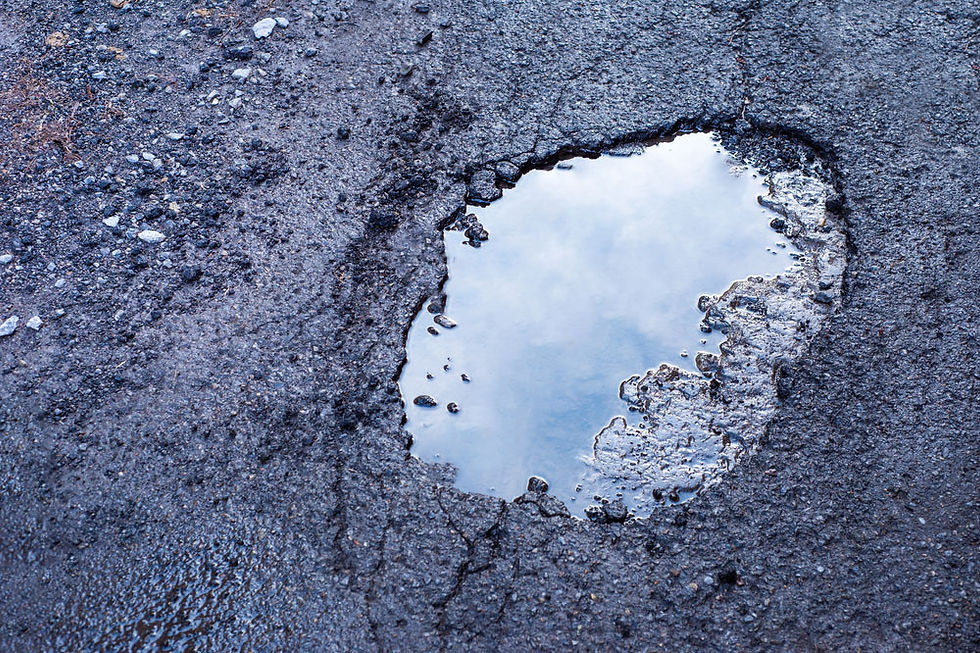
A small number of potholes may be caused by localized wear, drainage problems, or damage in a high-traffic area. These areas can often be cut out and patched without resurfacing the entire parking lot, provided the surrounding asphalt and foundation remain stable.
Younger Asphalt
Commercial asphalt that is less than roughly 10 to 12 years old may still have enough flexibility and structural life remaining to benefit from repairs. Younger pavement often has a darker appearance and has not yet become severely dried out from traffic, weather, and ultraviolet exposure.
A Stable Foundation
The condition beneath the asphalt is just as important as what can be seen on the surface.
Localized repairs are more likely to last when there are no signs of:
Sinking
Buckling
Soft areas
Base movement
Widespread drainage problems
If the stone foundation remains dry and stable, isolated repairs can be a practical and cost-effective choice.
When Resurfacing Is the Better Long-Term Option
Asphalt resurfacing, also called an asphalt overlay, involves installing a new layer of asphalt over a properly prepared existing surface. This is often the better option when individual repairs have become temporary fixes for widespread deterioration.
More Than 25% to 30% of the Surface Is Damaged
We often view the 25% to 30% range as an important tipping point. Once that much of a commercial lot requires patching, repairing each damaged area individually may cost more per square foot than placing a continuous asphalt overlay. A resurfaced parking lot also provides a more uniform surface rather than leaving the property with a growing collection of patches.
Widespread Raveling
Raveling occurs when the surface begins to break apart and lose aggregate. The pavement may look rough, rocky, or uneven. When raveling appears throughout the lot, the issue is no longer limited to a few isolated areas. The asphalt surface itself is deteriorating. This rough texture can hold water, increase wear, and create liability concerns for vehicles and pedestrians.
Aging, Oxidized Asphalt
Asphalt that is 15 to 20 years old or older may become faded, gray, dry, and brittle. At that stage, patching may not hold well because the surrounding asphalt is too weak to support the repair. The new patch may remain intact while the old pavement around its edges begins to crumble.
Widespread Block Cracking
Large, interconnected cracks across driving lanes can be an early warning that the surface is approaching widespread failure. This type of damage is different from one isolated crack. It suggests that the pavement is losing its ability to move and flex under commercial traffic.
The Same Areas Keep Failing
If a property manager is paying to repair the same locations every year, the issue may no longer be the patch itself. Repeated failures often mean the surrounding asphalt or underlying foundation can no longer support a lasting localized repair. At that point, continuing to patch the lot may only delay the larger project without solving the problem.
The Financial Trap of Repeated Asphalt Patching
One of the biggest mistakes we see is what we call the Band-Aid financial trap. A property manager may choose a $5,000 crack-sealing and patching project instead of a $50,000 resurfacing project because the smaller repair fits more comfortably into the current quarter’s budget.
That decision can make sense when the parking lot is still a good candidate for repair. The problem begins when the pavement is already too deteriorated for those repairs to provide lasting value.
Within 24 to 36 months, the property may need additional repairs in the same areas or throughout the rest of the lot. The manager has now spent thousands of dollars maintaining pavement that still needs to be resurfaced.
Why Patching Brittle Asphalt Often Fails
A patch is only as dependable as the pavement surrounding it. When the existing asphalt is heavily oxidized and brittle, the new patch may bond correctly, but the old asphalt around it continues breaking apart.
The property manager is not necessarily paying for a bad patch. They may be asking a localized repair to solve a widespread pavement problem.
Do Not Miss the Window for Resurfacing
Commercial asphalt often has a window during which resurfacing can extend the life of the property without requiring complete reconstruction.
That window exists when the asphalt surface is deteriorated, but the stone foundation underneath remains dry and structurally sound. During this stage, the existing surface can be prepared, milled where necessary, and covered with a new asphalt layer.
The project is still significant, but it is much less disruptive and expensive than rebuilding the entire parking lot.
What Happens When Resurfacing Is Delayed
Open cracks allow water to reach the stone base beneath the asphalt. Over time, that water can soften the foundation, create movement, and lead to sinking, potholes, and widespread structural failure.
Understanding why asphalt fails prematurely can help property managers recognize these warning signs before the damage reaches the foundation.
A resurfacing project that may have cost approximately $50,000 can eventually become a $150,000 reconstruction project.
Total reconstruction may require crews to:
Remove the existing asphalt
Remove and replace failed stone
Correct unstable soil
Regrade the property
Address drainage problems
Rebuild and repave the surface
Exact project costs vary, but the principle remains the same. Delaying resurfacing after the foundation begins taking on water can dramatically increase the eventual scope of work.
Why Liability and Appearance Matter
Property managers must consider more than the direct cost of paving.
Potholes and Uneven Pavement Create Liability
Broken pavement, failing patches, and sunken areas can become tripping hazards for pedestrians. Potholes can also damage tires, wheels, suspension components, and other parts of a vehicle.
A preventable injury or property damage claim may cost far more than addressing the pavement problem before it becomes severe.
A Damaged Parking Lot Affects Curb Appeal
For retail centers, offices, apartment communities, and other commercial properties, the parking lot is one of the first things visitors see.
A surface covered in potholes and mismatched patches can make the entire property look neglected, even when the building itself is well maintained.
Poor pavement conditions may affect:
Customer confidence
Tenant satisfaction
Leasing appeal
Property value
The overall appearance of the business
Resurfacing can improve both the function and appearance of the property.
Can Asphalt Be Installed Over Concrete?
In some situations, asphalt can be installed over an existing concrete surface.
We completed a project where asphalt paving was placed over a cracked concrete basketball court. Rather than removing the entire concrete surface, the existing area was evaluated and prepared to receive asphalt.
This approach can be practical when the existing concrete remains stable enough to serve as a base. However, paving over concrete is not automatically the right choice for every property. Existing movement, severe displacement, drainage problems, and unstable sections must be addressed before asphalt is installed.
The key is determining whether the surface underneath can support the new pavement.
How Commercial Resurfacing Projects Minimize Disruption
Property managers are often concerned that resurfacing will shut down the entire property. In most cases, commercial projects are planned in phases so tenants, customers, employees, and service vehicles can continue accessing the property.
Phased Work and Sectional Mapping
The parking lot is typically divided into separate work zones, such as Phase A, Phase B, and Phase C. Only one section is closed at a time. As one area is completed and reopened, the crew can move into the next phase. This approach helps preserve parking and access throughout the project.
Temporary Traffic Routes
While a driving lane or parking section is being milled or paved, vehicles may be redirected through a secondary entrance or temporary route.
Traffic control may include:
Cones
Barricades
Directional signs
Flaggers
Temporary lane closures
The traffic plan should be discussed before work begins so tenants and visitors know what to expect.
Coordinating Deliveries and Service Vehicles
Commercial properties may need to accommodate garbage trucks, delivery vehicles, buses, emergency access, and loading dock traffic. These routes should be discussed in advance. Heavy deliveries and garbage pickup can often be scheduled during non-paving windows so trucks can reach the property without interfering with the work.
Night and Weekend Work
For retail centers, medical offices, and other high-traffic properties, milling and paving may be scheduled overnight or during weekends. The best schedule depends on the property’s operating hours, tenant mix, traffic volume, and access needs.
How Soon Can Traffic Return to Fresh Asphalt?
Freshly compacted hot-mix asphalt can often accept normal vehicle traffic within approximately 24 hours.
Under certain conditions, such as cooler weather or straight driving lanes with limited turning, vehicles may be able to use the surface within four to six hours after compaction.
However, reopening time depends on several factors:
Air and surface temperatures
Asphalt thickness
Vehicle weight
Turning movements
Weather conditions
The type of area being paved
Heavy trucks and vehicles that turn sharply place more stress on fresh pavement than passenger vehicles traveling straight through the property.
Property managers should follow the paving contractor’s reopening instructions rather than relying on one standard timeline for every section.
When Is the Parking Lot Restriped?
Once the asphalt has cooled sufficiently, fast-drying waterborne traffic paint can be applied.
Restriping restores parking spaces, directional markings, fire lanes, loading areas, and accessible parking designations. Using fast-curing paint helps ensure the markings are visible when each completed section reopens. The striping plan should be confirmed before paving begins, especially if the property manager wants to adjust traffic flow or parking layouts.
Questions Property Managers Should Ask Before Choosing
Before approving another repair project or requesting a resurfacing estimate, property managers should ask:
What percentage of the parking lot is damaged?
Is the damage isolated or widespread?
How old is the existing asphalt?
Are the same areas being repaired repeatedly?
Is the stone foundation still stable?
Are there signs of sinking or drainage failure?
Does the property regularly receive heavy trucks, buses, or garbage vehicles?
Would the total patching cost approach the price of resurfacing?
Can resurfacing be completed before the base begins to fail?
How will the work be phased to maintain property access?
A professional pavement inspection should answer these questions and explain why a particular approach is recommended.
Choose the Option That Protects the Property Long Term
Repairs are often the right choice when damage is isolated, the asphalt is relatively young, and the foundation remains strong. Resurfacing becomes the better investment when deterioration covers a significant portion of the parking lot, the pavement has become brittle, or property managers are repeatedly repairing the same areas.
The goal should not be to automatically choose the least expensive project today. It should be to choose the option that provides the best value over the remaining life of the pavement. The Road Doctor can inspect your commercial pavement, explain the available options, and help you choose a practical plan for the property.